


Taco Casa Loyalty
4.641.00 Reviews
App Specs
- Version
- 26.2.2026012703
- Updated On
- License
- Free
- Downloads
- 10,000+
- Developer
- Paytronix Systems
- Categories
- Food & Drink
- Platform
- Android
Screenshots
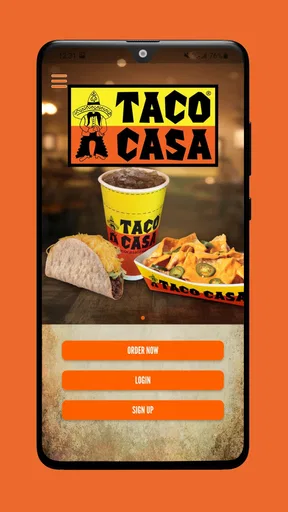
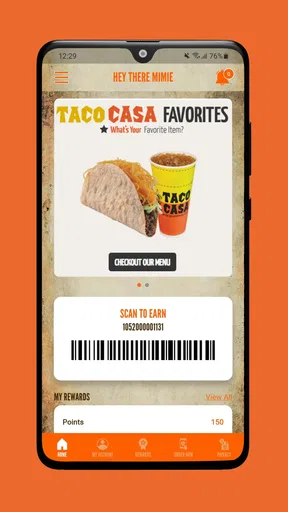
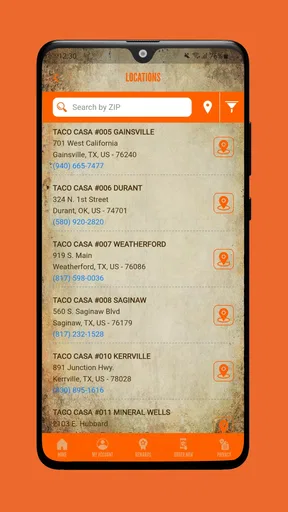
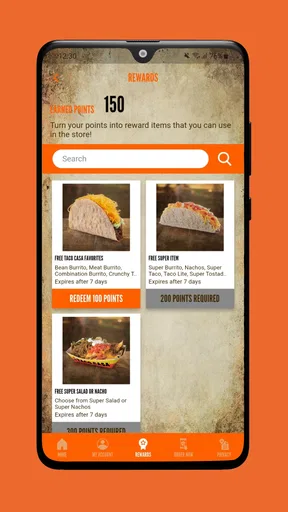
 Analysis by AppCompare
I tried Taco Casa Loyalty as a simple way to keep track of rewards when ordering from Taco Casa, and its appeal is easy to understand: it is a free Food & Drink app focused on loyalty rather than trying to become an all-purpose restaurant guide. That narrow purpose is also its main strength. If you already visit Taco Casa and want a more convenient way to engage with its rewards program, it makes sense to have it on your phone. If you rarely eat there, the benefit is much harder to justify.
The app is developed by Paytronix Systems and is listed for Everyone, so it is positioned as an accessible option for a broad audience. It has a 4.7 average from around 91 ratings, with roughly 38 written reviews, and has passed 10K+ installs. Those figures suggest a small but generally positive user base rather than a universally established app. I would treat that as encouraging, but not as proof that every Taco Casa customer will have the same experience.
How the free loyalty experience fits into a real visit
The most important cost detail is straightforward: Taco Casa Loyalty is free to download and use. That makes the decision less about paying for software and more about whether the app earns a place in your routine. You still pay for the food you order at Taco Casa, of course, but there is no app purchase price competing with the value of the rewards themselves.
I like that distinction because loyalty apps can sometimes feel worthwhile only when a person visits frequently enough to recover a subscription or membership fee. That is not the calculation here. The practical question is whether remembering to use the app is easy enough to make the loyalty program useful. For an occasional customer, the free access lowers the risk of trying it. For a regular customer, it can turn visits that would otherwise be completely separate into part of one ongoing rewards habit.
In everyday use, I would open the app before placing an order or while waiting to decide what to eat. That small timing change matters. Opening it after paying, or remembering it only once the receipt is already in your hand, can make a loyalty tool feel less useful than it actually is. My best advice is to treat it like a pre-order step: check the app first, then order, rather than trying to reconstruct the visit afterward.
The app’s store summary identifies it as Taco Casa Loyalty and Rewards, while its shorter description presents it as Taco Casa Loyalty. That tells me the core purpose is focused: it is not something I would install for broad restaurant discovery, recipe browsing, grocery planning, or general food delivery. Its value comes from staying connected to Taco Casa’s own loyalty experience.
That focus is helpful when I want a quick, brand-specific tool. It is less helpful if I want one app to manage several restaurants. A general payment wallet, a bank card offer, or a multi-restaurant rewards platform may be more convenient for someone who eats at many different places. Those alternatives can reduce app clutter, even if they do not provide the same direct connection to Taco Casa’s program.
Worth Reading Before You Choose

EA SPORTS FC Mobile 26 Is a Bigger Football Game, but It Takes Time

Flipboard Shows What News Apps Must Do Beyond the Feed

Switching to Android Auto Means Rethinking Your Driving Routine

Google Calendar Makes a Crowded Week Easier to Manage

Ludo King Makes the Most of the Minutes Between Plans

Baby Panda World Brings Quick Play to Modern Phones, but Its Game Library Feels Busy
What the app is useful for during a normal week
Imagine a workday when I am deciding between bringing lunch and stopping at Taco Casa. I can check the loyalty app before leaving, place the visit in the context of my existing rewards activity, and avoid treating the purchase as an isolated transaction. The advantage is not dramatic technology; it is the reduction of small bits of mental effort. I do not have to rely entirely on memory to keep track of whether I am participating in the program.
That workflow is especially useful for people who visit the same Taco Casa location repeatedly. A regular lunch customer can make the app part of a routine: open it before ordering, confirm the relevant loyalty information, and keep the phone ready during checkout if needed. The habit is more important than any single screen. Loyalty tools usually lose their value when they are forgotten at the moment they are needed.
A second practical use is separating personal reward activity from other restaurant apps. Instead of searching through email, screenshots, or a crowded wallet for Taco Casa information, I can go directly to the dedicated app. This is a modest convenience, but it is the kind that becomes noticeable after several visits. It also gives the app a clearer role than a generic coupon folder, because I know exactly which brand it belongs to.
There is a trade-off in that simplicity. A dedicated loyalty app takes up space and adds another account or app-opening step to my routine. If I only visit Taco Casa a few times a year, I may prefer to use whatever loyalty method is available at the restaurant without keeping a separate app installed. Free does not automatically mean valuable; attention and phone space are also costs.
Value beyond the download price
The strongest value proposition is for repeat customers, not bargain hunters who expect the app itself to create savings on every visit. Since the app is free, I judge it by how reliably it helps me use Taco Casa’s loyalty offering. The more often I visit, the more reasonable it becomes to keep the app ready. The less often I visit, the more likely it is to become an unused icon.
I would also avoid assuming that a high rating guarantees a perfect experience. A 4.7 average is a positive signal, but the review pool is still relatively small. Some people may be rating the convenience of the loyalty program, while others may be reacting to the app’s basic operation. Those are related but not identical things. A good rewards concept can still be inconvenient if the customer forgets to open the app at the right time.
One useful habit is to check the app before making a planned Taco Casa trip rather than only during spontaneous visits. That gives me time to understand what I am using and reduces the chance of fumbling at the counter. It also makes it easier to decide whether the loyalty benefit is meaningful for that particular visit, instead of assuming every purchase has the same value.
Another tip is to keep expectations tied to confirmed value. The app is free, but I would not budget around a specific reward amount or frequency unless the current in-app terms clearly show it. Loyalty programs can change their offers, and the app’s free price does not tell me how quickly rewards accumulate. I see this as a tool for accessing the program, not a promise of a fixed return.
That distinction is important when comparing it with ordinary ordering. If I am already going to Taco Casa, using the loyalty app may add useful value at no extra software cost. If I am choosing a restaurant solely because I expect a guaranteed discount, I would first inspect the current rewards details rather than treating the app name as a savings guarantee.
Where the focused design can create friction
The app’s narrow scope may be frustrating for someone who wants a complete ordering experience in one place. A loyalty app is not automatically the same thing as a delivery service, a menu browser, or a restaurant locator. I would not install it assuming it replaces every other way of ordering from Taco Casa. Its role is loyalty, and that is the lens through which I would evaluate it.
There is also a practical dependence on remembering the app at the right moment. A rewards account can be perfectly useful in theory but easy to overlook when I am hungry, in a hurry, or ordering for several people. My workaround is simple: open it before joining the line or before beginning an order. That is a small behavioral adjustment, but it prevents the most common kind of loyalty-app disappointment: remembering the benefit too late.
Another limitation is that the app is brand-specific. Someone who alternates between Taco Casa, local restaurants, coffee shops, and fast-food chains may not want a separate loyalty app for each business. In that situation, a payment method with broader rewards or a single multi-brand service could be easier to manage. The alternative may be less tailored, but convenience can matter more than brand-specific access.
I would also be cautious about judging the app solely by its rating. The positive average is reassuring, yet a smaller review base can make it difficult to identify every edge case. If I depend on loyalty tracking for a large group order or a particularly important visit, I would verify the app’s current instructions beforehand instead of assuming the process will be effortless.
The current version is 26.2.2026012703 and requires at least Android 10. That makes device compatibility a practical checkpoint before installation. On a newer Android phone, this requirement should be less concerning, but someone using an older device should check compatibility first. The app is listed for both Android and iOS availability in the context of the service, while the stated minimum operating-system requirement is specifically Android 10.
The release date is January 30, 2026, so this is a relatively recent app listing. I would interpret that as a reason to keep expectations realistic: a newer app can feel clean and focused, but its long-term usefulness depends on continued maintenance and on how well it fits Taco Casa’s evolving loyalty process. The developer, Paytronix Systems, is known here as the company behind the app, but the everyday value still comes from whether the app works smoothly for the customer’s visits.
Who will get the most from it
I think Taco Casa Loyalty is best for a person who already chooses Taco Casa regularly and wants a dedicated place for loyalty activity. It is also a sensible low-risk trial for someone who has just started visiting the chain more often, because the app itself is free. The ideal user is not necessarily a technology enthusiast; it is simply someone willing to make the app part of the ordering routine.
Families may find a loyalty app useful when one person usually handles the order, but that depends on how the account and visit process fit the household’s habits. I would choose one consistent approach rather than having several family members open different accounts or try to remember separate reward details. Consistency reduces confusion, especially when one person orders for everyone.
It can also suit workers who have a predictable lunch stop. A repeat schedule makes it easier to remember the app and notice whether the rewards program is actually adding value. After several visits, I would ask myself a simple question: am I using this because it helps, or am I opening it out of obligation? If the answer is the second one, the free app may still not deserve a permanent place on my phone.
I would skip it, or at least postpone installing it, if Taco Casa is only an occasional choice for me. I would also skip it if I strongly prefer managing all rewards through one wallet or payment app. The dedicated experience is a benefit only when its direct connection to Taco Casa outweighs the extra app in my routine.
My buy-or-skip verdict
There is no purchase decision in the usual sense because Taco Casa Loyalty is free. My verdict is therefore an install-or-skip decision based on frequency. If I visit Taco Casa often, I would install it and build the pre-order check into my routine. The absence of an app fee means I can test whether the loyalty experience is worthwhile without committing money to the software.
If I rarely visit, I would skip it for now and avoid adding another single-brand app to my phone. I would reconsider if Taco Casa became a regular part of my week. That is the clearest boundary I found: the app is not trying to win over every food customer, and it does not need to. Its value is concentrated among people who will actually use Taco Casa’s loyalty program.
Overall, I see it as a focused companion rather than a complete food-ordering solution. The 4.7 average is a promising sign, the free price makes experimentation easy, and the Everyone rating keeps it broadly approachable. Still, the app rewards consistency more than curiosity. If Taco Casa is already one of my regular stops, the free loyalty tool is worth trying; if it is not, the best value may be leaving it uninstalled.
Pros
- Earn points with every eligible Taco Casa purchase.
- Exclusive rewards can make frequent visits more worthwhile.
- Digital loyalty card is easier than carrying a physical card.
- App offers a convenient way to track rewards and progress.
- Promotions may provide extra value to registered members.
Cons
- Rewards may expire if they are not redeemed in time.
- Points usually apply only to participating Taco Casa locations.
- Requires account registration and sharing some personal information.
- App benefits are limited if you rarely visit Taco Casa.
- Technical issues could delay points or reward updates.
FAQs for Taco Casa Loyalty
What is Taco Casa Loyalty, and how does the app work?
Taco Casa Loyalty is the restaurant’s rewards app, designed to help customers earn and redeem loyalty benefits when ordering from participating Taco Casa locations. After creating an account, you can typically view available rewards, track qualifying purchases, receive promotional offers, and access account details from your phone. Features and availability may vary depending on your location and the specific Taco Casa restaurant you visit.
How do I earn points or rewards with Taco Casa Loyalty?
Rewards are generally earned by making eligible purchases through participating Taco Casa locations and identifying your loyalty account during checkout. Depending on the current program rules, this may involve scanning a membership code, using a registered phone number, or placing an order through the app. Before assuming a purchase qualifies, check the app’s reward terms, since taxes, fees, special promotions, and certain menu items may be excluded.
Can I use Taco Casa Loyalty rewards for mobile or in-store orders?
The way rewards can be redeemed depends on the Taco Casa Loyalty program and the participating restaurant. Some locations may allow rewards to be used during in-store purchases, while others may support redemption with mobile ordering or account-linked transactions. Open the reward details before ordering to review expiration dates, minimum purchase requirements, eligible products, and any restrictions that could prevent the offer from being applied.
Is Taco Casa Loyalty available at every Taco Casa restaurant?
Not necessarily. Taco Casa restaurants may be operated under different ownership or may use different ordering and rewards systems, so loyalty features can vary by location. Before downloading the app or relying on it for a visit, check whether your preferred restaurant appears in the app and whether it accepts the available rewards. Participation, menu integration, promotions, and ordering options may also change over time.
What personal information does Taco Casa Loyalty require?
To create and manage a loyalty account, the app may request information such as your name, email address, phone number, password, and purchase activity. Some features may also use location access, notifications, or payment and order details if mobile ordering is supported. Review the app’s privacy policy and permissions before registering, and only enable optional access—such as location or notifications—if you are comfortable using those features.


